
The author
Trichologist Adem Kazan
Clinical Trichologist & Hair Transplant Specialist; author of The Hair Transplant Doctrine.
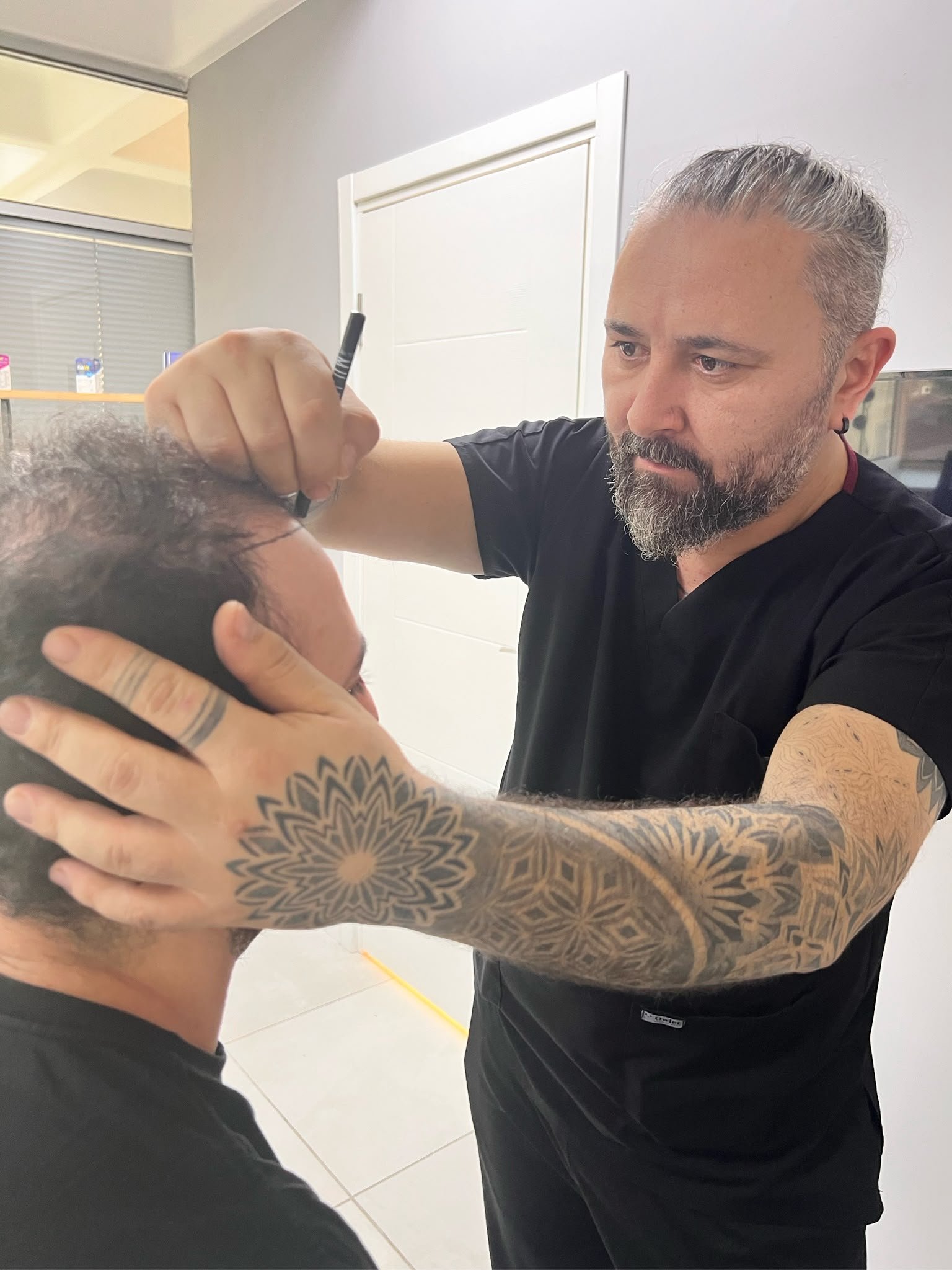
A Career Dedicated to Hair Restoration
Adem Kazan is a clinical trichologist and hair transplant specialist with more than two decades of experience in hair restoration. Born in Giresun, Turkey, he began his professional career in the field at the age of 26 and has continued to focus on hair transplantation and related treatments ever since. Today, he works as part of the team at Poliklinika Dijamant in Sarajevo, contributing to hair restoration procedures for women and men.
His experience covers FUE and DHI hair transplantation, beard and eyebrow transplantation, hairline planning, and work with patients who have undergone an earlier procedure. Across these areas, his approach begins with a simple question: what makes sense for this person, given their hair loss, donor capacity, expectations and likely needs in the years ahead?
From Istanbul to Sarajevo
Kazan began his training in Istanbul, a city closely associated with the development and practice of modern hair transplantation. He went on to expand his knowledge through further education and professional training in different countries. Over the course of his career, he has seen techniques, instruments and patient expectations change considerably. That experience has shaped a practical approach grounded in careful planning as well as technical skill.
His work now forms part of the professional team at Poliklinika Dijamant in Sarajevo. Working in that setting allows each case to be considered in its wider context, from the initial assessment to procedure planning and follow-up. For Kazan, the procedure itself is one part of a longer process that starts with understanding the person seeking treatment.
Areas of Experience
Over more than two decades in the field, Kazan has worked across several aspects of hair restoration, including:
- FUE hair transplantation and DHI implantation methods
- beard and eyebrow transplantation
- hairline design and graft distribution
- assessment of donor-area capacity
- planning for patients seeking correction after a previous transplant;
- approaches to hair loss that may involve treatment and ongoing support.
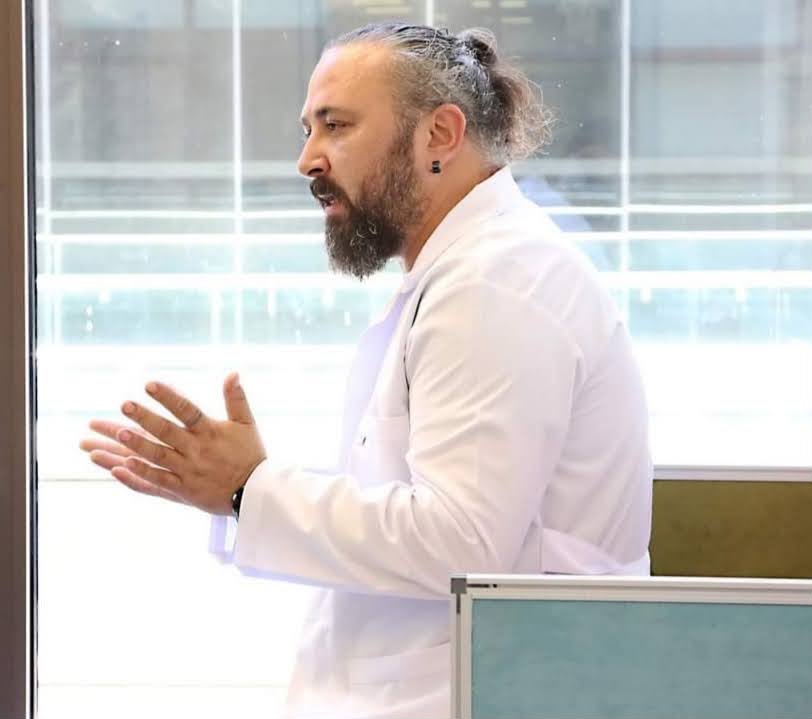
These areas are connected by the need to make measured decisions. The number of grafts, the choice of technique and the shape of a hairline cannot be considered in isolation. Hair characteristics, the pattern of loss and the available donor supply all influence what may be appropriate in an individual case.
Planning for the Individual
No two patients arrive with the same starting point. Kazan considers facial proportions, age, existing hair, the extent of hair loss and the condition of the donor area when contributing to a transplant plan. He also pays attention to the patient’s priorities: what they hope to change, what they understand about the procedure and how they expect the result to develop over time.
An individual approach also means being clear about limits. Hair transplantation moves follicles; it does not stop the underlying process of hair loss. Donor hair is a finite resource, and a design that appears suitable today should still be considered in the context of possible future changes. These are central considerations in Kazan’s work and in the way he discusses long-term planning.
Technique, Detail and Donor Stewardship
FUE and DHI are important tools, but a technique alone cannot determine the quality of a plan. Kazan’s work places emphasis on thoughtful graft extraction, careful handling of follicular units and their placement in a pattern suited to the patient’s existing hair. Hairline design requires particular attention to proportion and direction, while the donor area must be managed with future options in mind.
His years of practice have given him experience with cases that differ in hair type, degree of loss and previous treatment history. Rather than applying a fixed template, he works within the clinical team’s assessment to adapt the plan to the individual. The aim is a considered, natural-looking design that respects both the possibilities and the limitations of the available donor hair.
The Thinking Behind The Hair Transplant Doctrine
Kazan is also the author of The Hair Transplant Doctrine, a book about the principles, limits and long-term strategy of hair restoration. It brings together themes that recur throughout his professional work: careful candidate selection, protection of the donor area, natural hairline design, realistic expectations and decisions that preserve options for the future.
The book is intended to help readers ask better questions before considering a procedure. It reflects Kazan’s belief that responsible hair restoration involves more than choosing a technique or pursuing the highest possible graft count. A sound plan considers the person as they are now and the changes they may face later.
At Poliklinika Dijamant, Kazan continues to work with the team on hair restoration cases while following developments in the field. His professional focus remains on precise work, clear communication and planning that treats each patient’s circumstances with care.
