
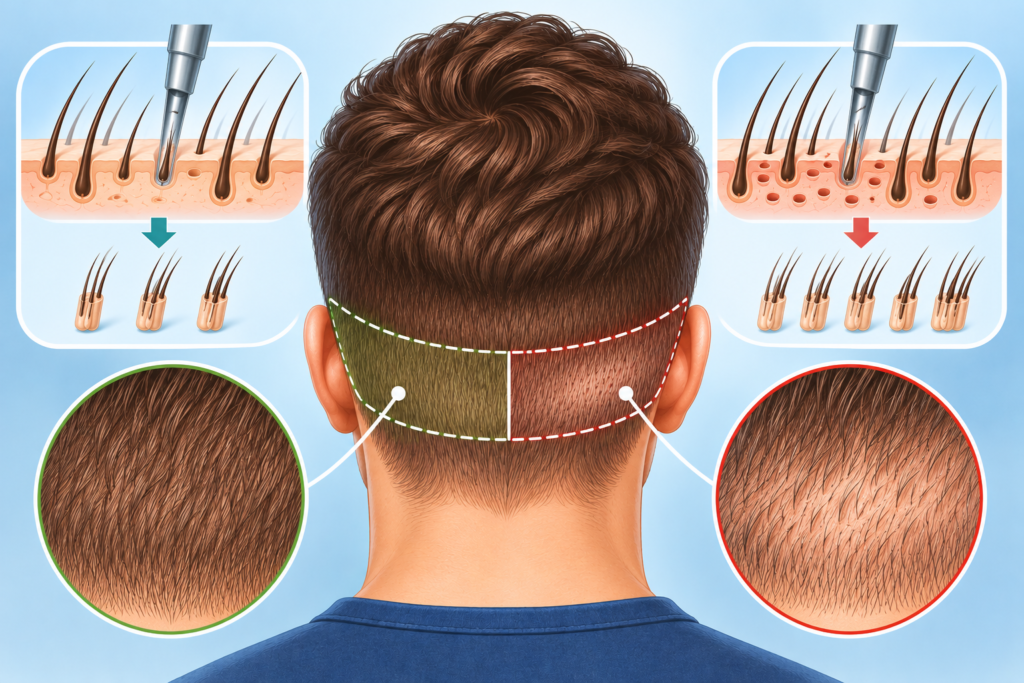
Donor Area Overharvesting: Why Distribution Matters as Much as the Total
Donor area overharvesting can cause permanent thinning when extraction density, distribution or graft targets exceed the patient’s individual capacity.
Donor area overharvesting can cause permanent thinning when extraction density, distribution or graft targets exceed the patient’s individual capacity.
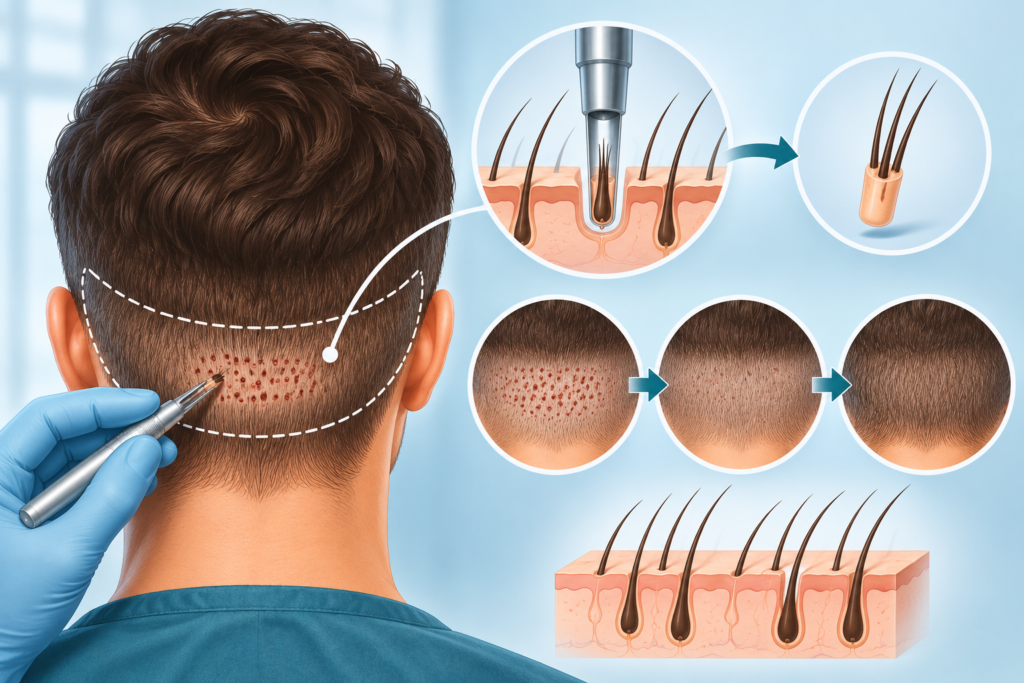
Does donor hair grow back after FUE? Extracted follicles do not return, although healing, surrounding growth and temporary shedding change its appearance.
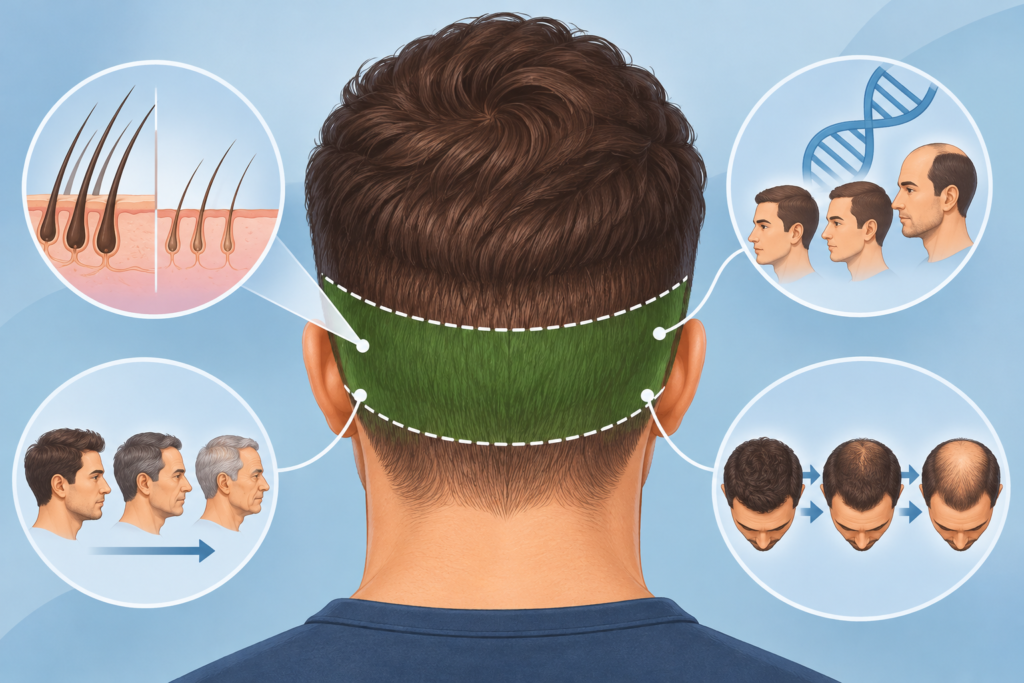
Safe donor area in hair transplantation must be defined individually because miniaturisation, retrograde thinning and future hair loss alter its borders.
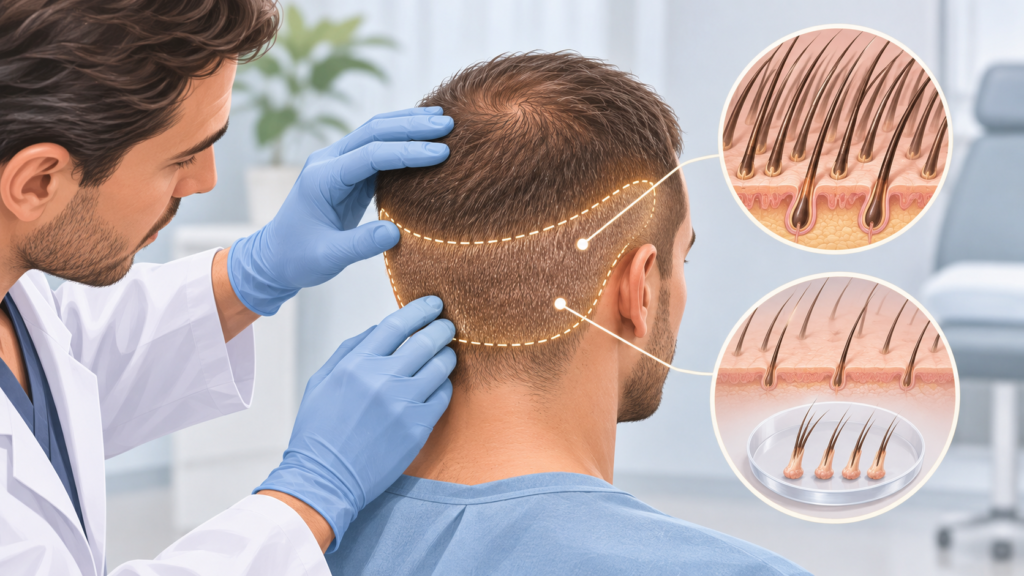
Hair transplant donor area is a finite lifetime reserve; safe extraction depends on density, hair calibre, stability and the patient’s future hair loss.
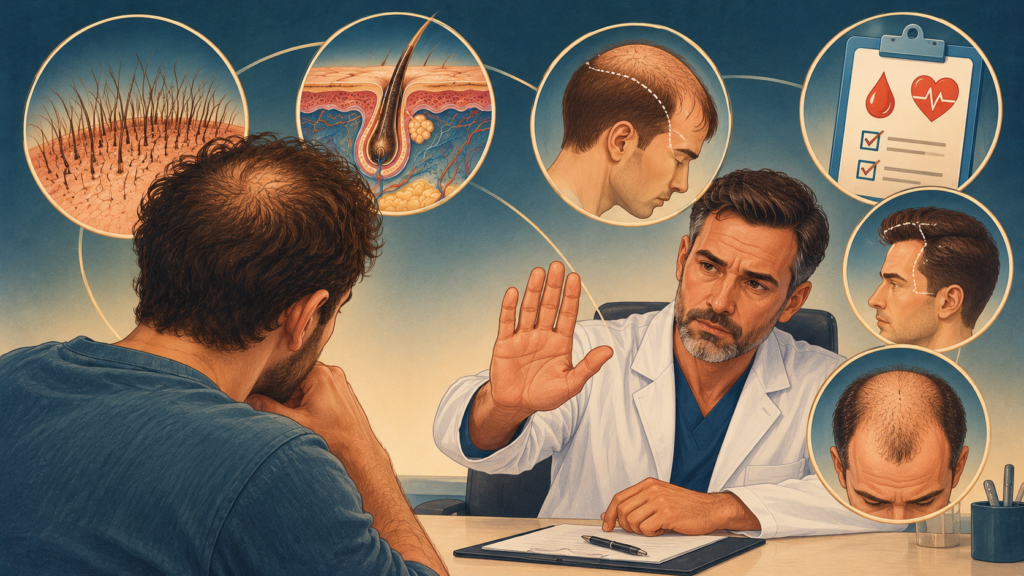
Hair transplant refusal can protect patients when donor limits, unstable loss, scalp disease, medical risk or unrealistic goals make surgery unsuitable.
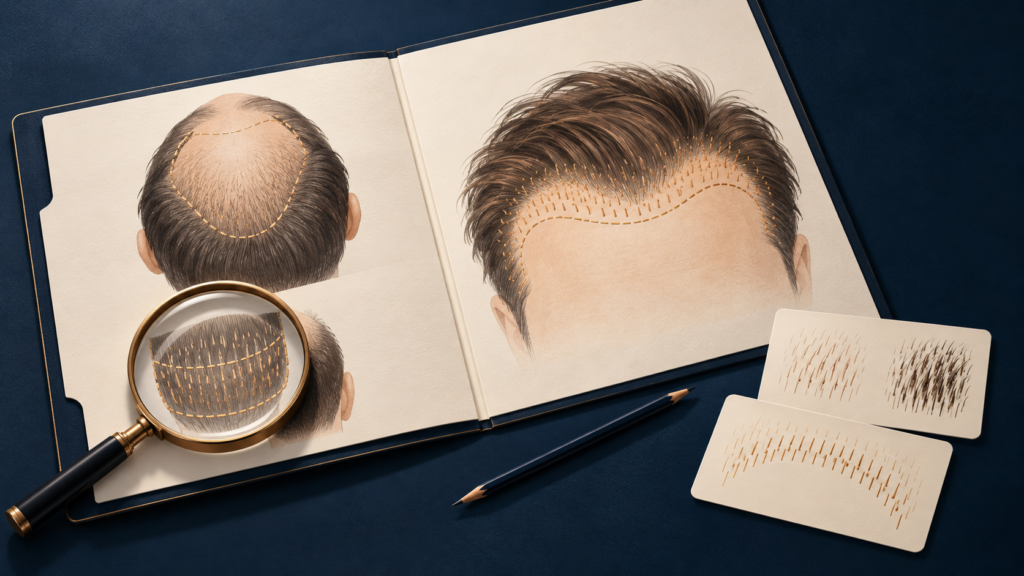
Hair transplant consultation should test diagnosis, donor capacity, expectations and future hair loss before techniques or graft numbers are chosen.
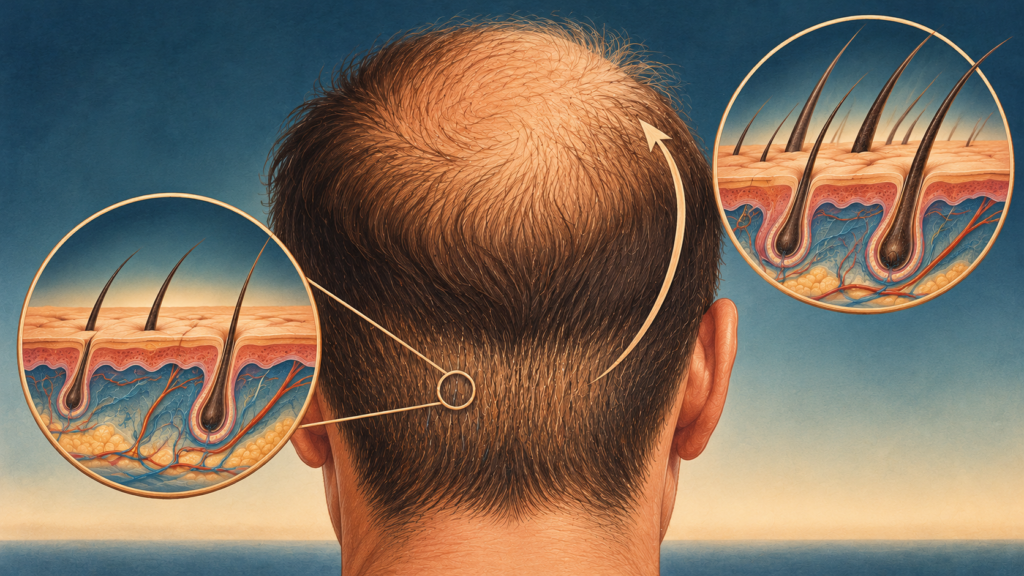
Hair transplant with a weak donor area cannot be planned by graft count alone. Density, hair calibre and safe extraction limits determine candidacy.
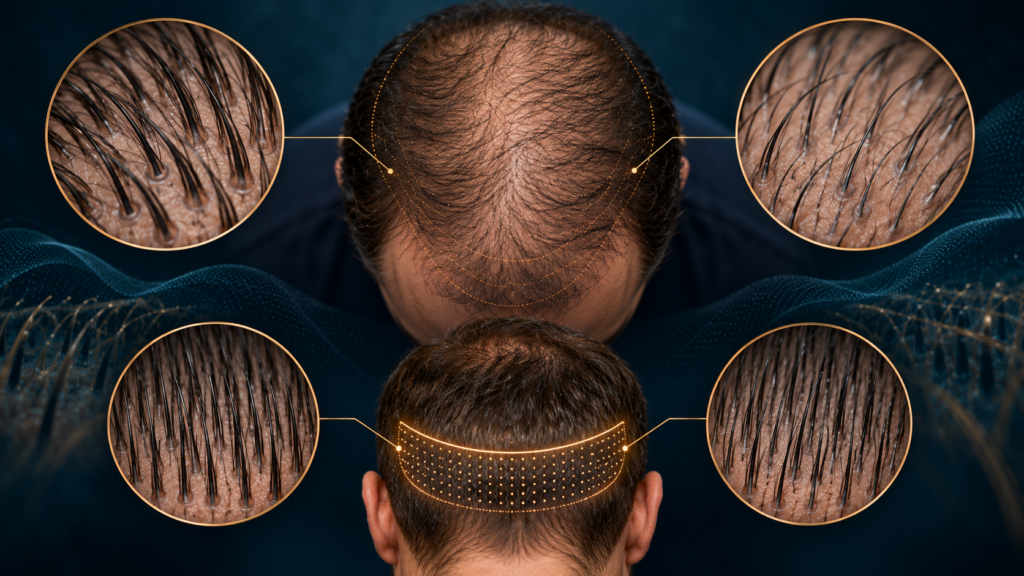
Hair transplant with diffuse thinning depends on an accurate diagnosis, a stable donor area and a realistic plan for distributing limited grafts.
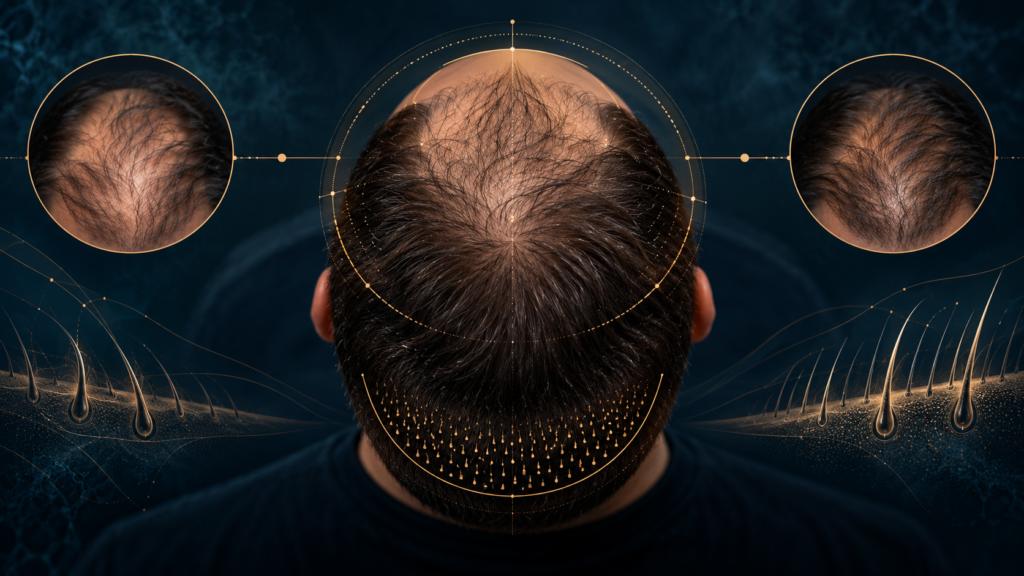
A hair transplant should be postponed when hair loss is unstable, diagnosis is uncertain, scalp health is poor or the donor area cannot support a safe long-term plan.
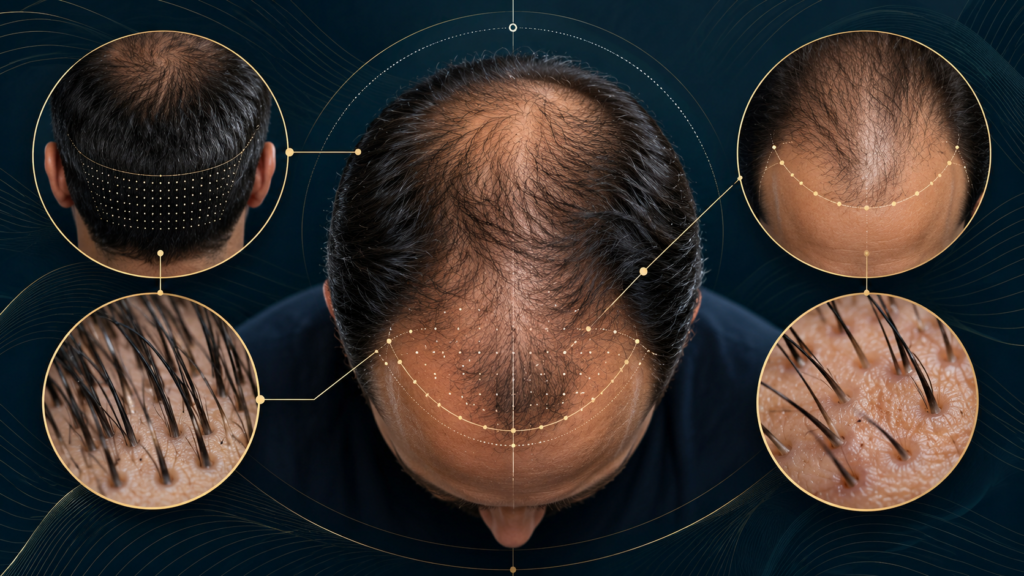
Good candidate for a hair transplant means having a clear diagnosis, stable donor hair, realistic expectations and a responsible long-term plan.